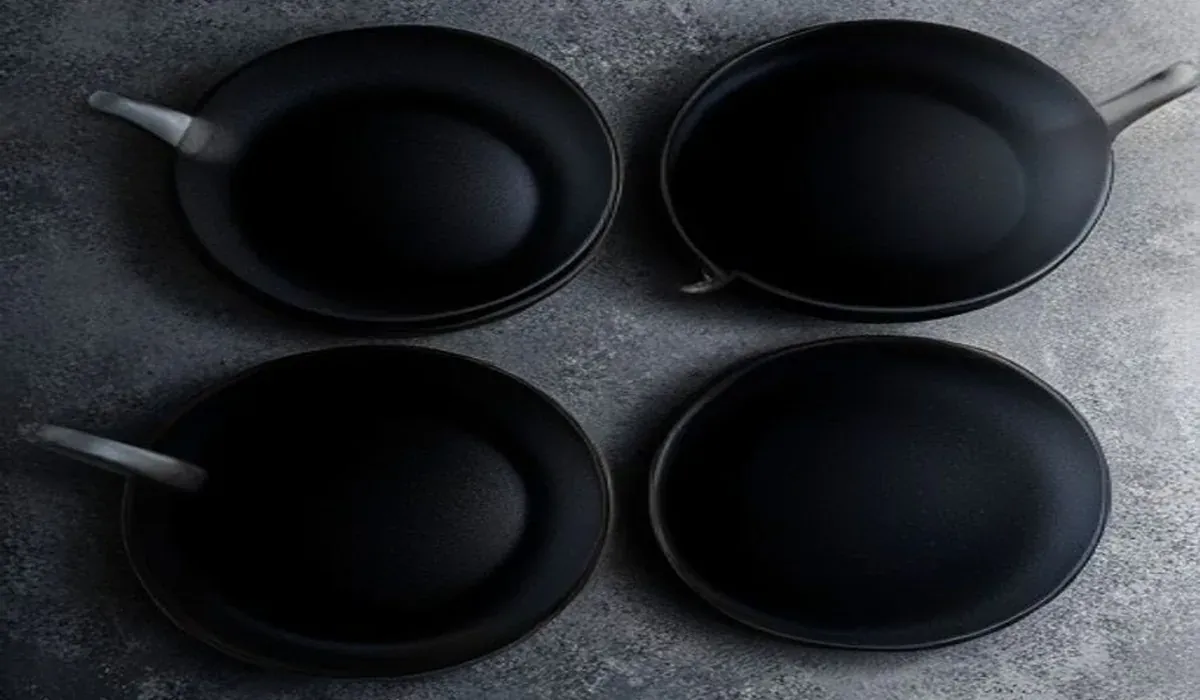
Cookware Materials 101: Carbon Steel, Aluminum, Stainless Steel and Cast Iron — A Buyer's Cheat Sheet
Most sourcing mistakes come from picking the wrong material for the channel, not the wrong factory. This page is the entry point: one four-material cheat sheet, four short material summaries
Most sourcing mistakes come from picking the wrong material for the channel, not the wrong factory. This page is the entry point: one four-material cheat sheet, four short material summaries, and a deep-dive link at every decision point — bookmark it and treat the linked guides as the chapters.
How to use this cheat sheet
## How to use this cheat sheet
Think of this article as the lobby of a four-room building. Each room below — carbon steel, aluminum, stainless steel, cast iron — gets a few honest sentences and a comparison row in the master table. That is deliberately all it gets. The detailed trade-offs (thickness, sizing, seasoning routines, shape choices) live in the dedicated guides we have already published, and every section ends by handing you those links. If you are building a first assortment, read the table, skim the four summaries, shortlist one or two materials, and only then go deep.
The four-material cheat sheet
## The four-material cheat sheet
| Trait | Carbon steel | Aluminum | Stainless steel | Cast iron |
|---|---|---|---|---|
| Weight | Light to medium; easy tossing and one-hand work | The lightest per size; easy stacking and handling | Medium to heavy, rising fast with volume | The heaviest of the four |
| Heat behavior | Heats fast, reacts quickly to flame changes | Heats fastest and cools fastest; very responsive | Heats slower but holds temperature evenly | Slow to heat, extremely slow to cool; a heat bank |
| Maintenance | Needs oiling or seasoning to stay rust-free | Wash and dry; may discolor with heavy use | Lowest upkeep of the four; tolerates harsher cleaning | Similar to carbon steel: dry and oil after use |
| Stove compatibility | Gas and radiant; flat-bottom versions suit induction | Gas and electric; induction only with a magnetic base added | Works across all stove types with a compound bottom | Works on all stoves; weight is the limit on glass tops |
| Typical channel fit | Asian kitchenware retail, restaurant supply | Foodservice, volume kitchens, outdoor ranges | Hotels, catering, branded retail lines | Home and boutique retail, camping ranges |
Two caveats worth printing next to the table. First, finishes change the picture: an enamel or blackened surface moves a carbon steel product toward different shelves and different care expectations. Second, certification support per market and model, subject to test reports — confirm the paperwork for the exact finish and market before you commit a range to a shelf.
Carbon steel: the responsive workshop material
## Carbon steel: the responsive workshop material
Carbon steel is the default wok material for a reason: it is light enough to toss food with one hand, yet it heats and cools fast enough to follow the burner. The trade is upkeep — the bare metal wants a layer of polymerized oil to resist rust, which is exactly what a factory pre-seasoning provides out of the carton. For a retail-ready reference point, see the YH-CSW-302 pre-seasoned carbon steel wok, which arrives with that seasoning and a rust-proof oil layer over a wooden handle.
Core traits: fast heat response; light, tossable body; needs an oil layer to stay rust-free.
Dig deeper: sizing comes first in retail, so start with the carbon steel wok size guide, then the pre-seasoned vs natural finish comparison and the wok care and seasoning retail guide for the upkeep story you will be asked about.
Aluminum: the lightweight volume player
## Aluminum: the lightweight volume player
Aluminum answers the question foodservice buyers ask most: how do you equip a busy line without weighing down the staff? It is the lightest of the four, reacts to burner changes almost instantly, and keeps unit cost and freight weight down across large orders. The compromises are softer surfaces that mark with heavy use and no natural induction response unless a magnetic base is added. A representative commercial piece is the YH-AFP-102 commercial aluminum frying pan with steel handle, a long-handled pan built for volume kitchens.
Core traits: lightest weight; fastest heat response; marks and discolors under abuse.
Dig deeper: the head-to-head that decides most foodservice quotes is covered in aluminum vs carbon steel frying pans for foodservice.
Stainless steel: the low-maintenance workhorse
## Stainless steel: the low-maintenance workhorse
Stainless steel trades the instant response of the other two for evenness, durability and the lowest upkeep in the group — it shrugs off scrubbing, acidic sauces and long simmers without complaint. That steadiness is why it owns the stock, sauce and banquet end of a professional kitchen, and why branded retail lines like its bright, neutral look. Construction matters here: a compound bottom layers metals so the pot sits stable on modern stoves, which is the setup used on the YH-SSP-101 commercial tall stainless steel stock pot with compound bottom.
Core traits: even, sustained heat; lowest maintenance; presentation-friendly finish.
Dig deeper: for the direct trade-offs see carbon steel vs stainless steel in commercial cookware, and for where shapes split, see the sauce pot vs stock pot shape guide.
Cast iron: the heat bank
## Cast iron: the heat bank
Cast iron is what happens when you keep the magnetic, seasonable character of carbon steel but pour it thick: it heats slowly, then holds that heat through long service and long dinners. It is by a wide margin the heaviest of the four, and it shares carbon steel's need for drying and oiling after washing. Like any thick metal it dislikes thermal shock — sudden cold water on a hot pan is the classic failure. There is no cast iron product page on this site, so treat the material comparison as the deep dive: carbon steel vs cast iron woks.
Core traits: heat retention; heaviest body; same seasoning care as carbon steel.
Matching material to your channel
## Matching material to your channel
- Asian kitchenware retail: carbon steel leads, with enamel and blackened finishes segmenting the shelf.
- Foodservice and volume kitchens: aluminum for frying lines, stainless steel for stock and sauce work.
- Hotel, catering and branded retail: stainless steel carries the presentation and the simmers.
- Home, boutique and camping ranges: cast iron and pre-seasoned carbon steel sell the story as much as the pan.
- Mixed first orders: combine two materials that share a care story — carbon steel plus stainless steel is the common pairing, as laid out in the first-time importer starter assortment.
Frequently asked questions
## Frequently asked questions
Which material should I quote first for a new range?
### Which material should I quote first for a new range?
Start from your channel, not from the material table. Volume foodservice leans aluminum for frying and stainless steel for stockwork; retail kitchenware leans carbon steel first. The starter assortment guide linked above walks one workable first order.
Do stainless steel and aluminum pans need seasoning?
### Do stainless steel and aluminum pans need seasoning?
No. Seasoning is a treatment for bare iron-based metals — carbon steel and cast iron — where oil is polymerized into a protective layer. Aluminum and stainless steel are cleaned and dried, not seasoned; their upkeep story is simpler, which is part of their channel appeal.
Which of the four materials works on induction?
### Which of the four materials works on induction?
Induction needs a magnetic surface: carbon steel, cast iron and stainless steel qualify, while aluminum does not unless a magnetic base is bonded on — flat-bottom wok geometry matters too, as explained in the round bottom vs flat bottom stove-matching guide. Confirm stove-mix claims against the exact model before printing packaging.
Build your material mix with a factory that makes all four conversations easy
## Build your material mix with a factory that makes all four conversations easy
YIHENG Cookware runs spin-forming and stamping lines side by side in Foshan, Guangdong, with hand-polishing QC stations and its own finished-goods warehouse, so carbon steel, aluminum and stainless steel programs can be quoted under one OEM eight-step process. If you want a second opinion on your material split, send your channel, market and target shelf to sales@yihengcookware.com and we will map it against the ranges above.