Carbon Steel vs. Cast Iron Woks: Which Should Your Business Stock?
A comparison built for importers and resellers rather than home cooks: how carbon steel and cast iron woks differ on weight, heat behavior, seasoning, transit risk and end-customer fit — and
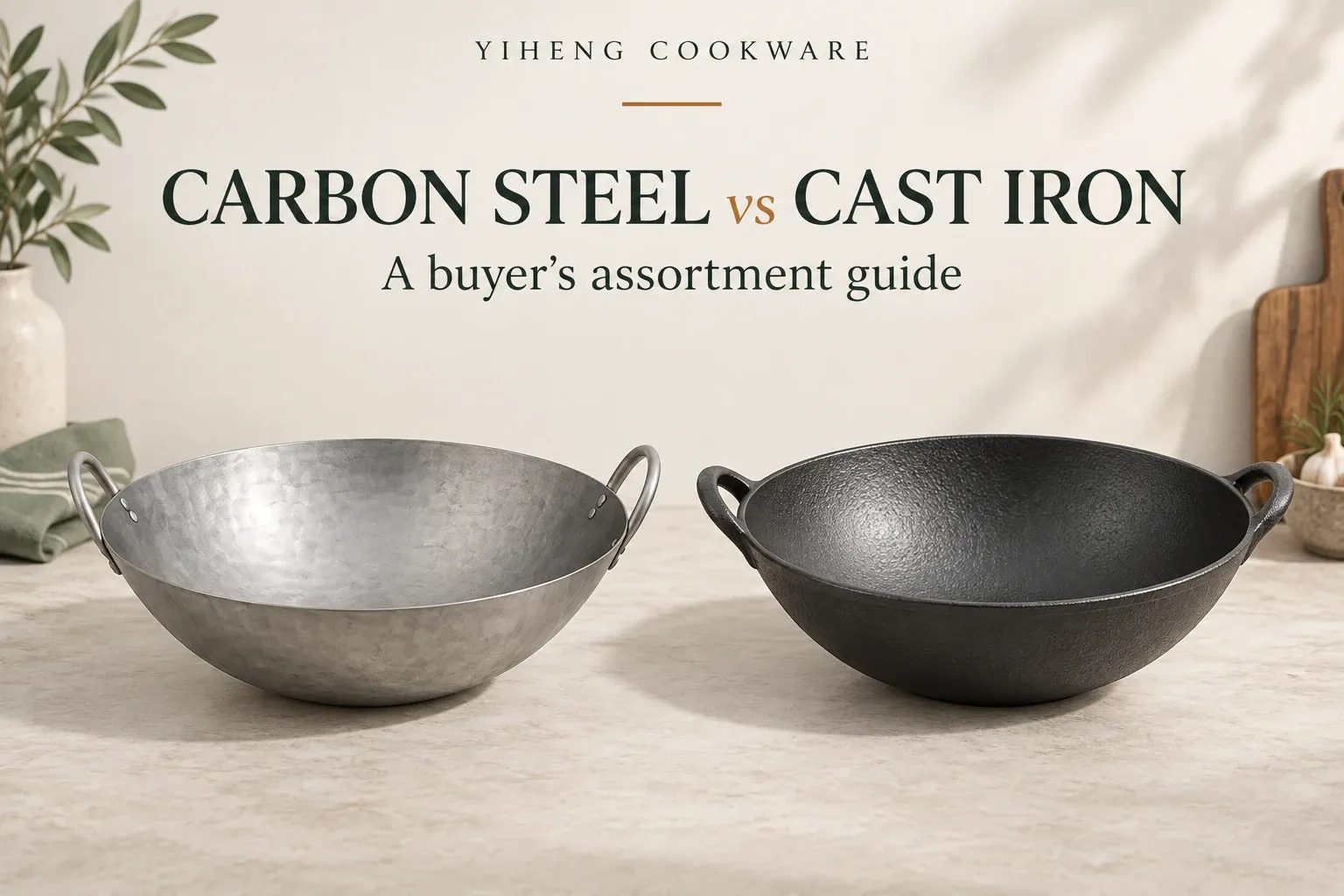
A comparison built for importers and resellers rather than home cooks: how carbon steel and cast iron woks differ on weight, heat behavior, seasoning, transit risk and end-customer fit — and why the smartest assortment is usually a mix, not a winner.
Search "carbon steel wok vs cast iron wok" and most answers are written for someone choosing a single pan. If you import or retail cookware, you are choosing an assortment that must fit your channels, freight budget and end customers. This guide compares the two materials the way a purchasing decision needs to.
Quick Comparison: Carbon Steel vs. Cast Iron at a Glance
| Aspect | Carbon steel wok | Cast iron wok |
|---|---|---|
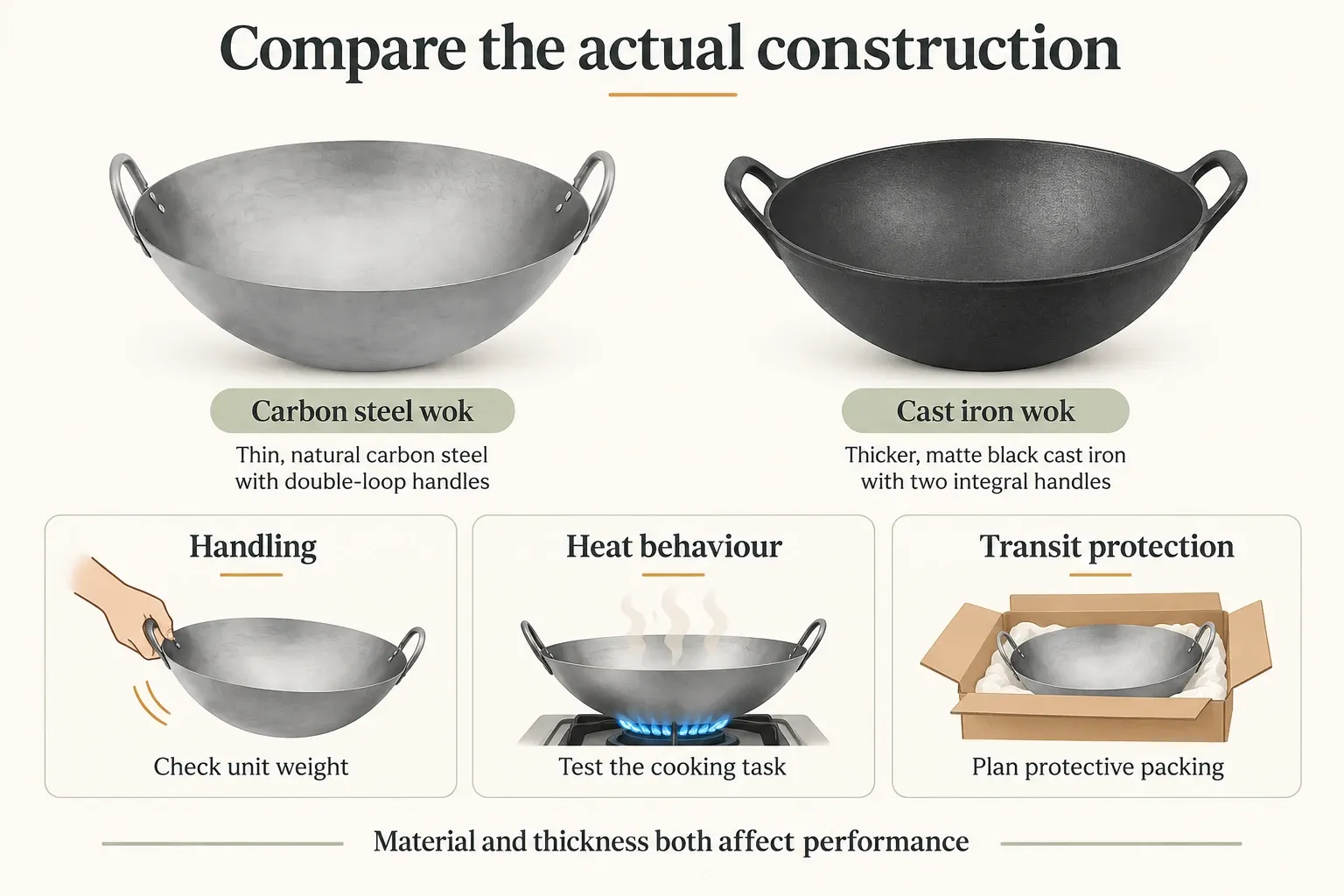
| Weight at the same diameter | Light; thin material keeps handling easy | Generally substantially heavier |
| Heat response | Heats and adjusts quickly | Heats slowly, holds temperature |
| Heat retention | Moderate | Strong |
| Seasoning and maintenance | Needs seasoning; generally reaches a usable patina sooner | Needs seasoning; layer is durable once built up |
| Shipping breakage risk | Bends or dents on impact rather than shattering | Brittle; can crack on hard impact |
| Typical end customer | Restaurant kitchens, everyday home cooks | Enthusiasts, traditional and outdoor cooking, gifting |
| Price tier positioning | entry-to-mid | mid |
Cast iron's strengths are real — it holds heat exceptionally well, a well-kept seasoning lasts for years, and it has loyal retail fans. The point is not that cast iron is bad; the two materials solve different problems, and the difference shows up in your cost structure.
Weight: The Handling Cost Nobody Budgets
Cast iron is generally noticeably heavier at the same diameter, because it relies on thickness for strength where carbon steel relies on the sheet itself. A wok is defined by tossing, which gets tiring faster with a heavy pan — one reason professional wok stations are almost universally thin carbon steel.
For a business, weight costs follow the pan out of the kitchen: heavier units are harder to shelve, pick and demo, and harder for home cooks to maneuver. There is also a freight dimension consumer comparisons never mention — every kilogram of unit weight is paid for again at the port.
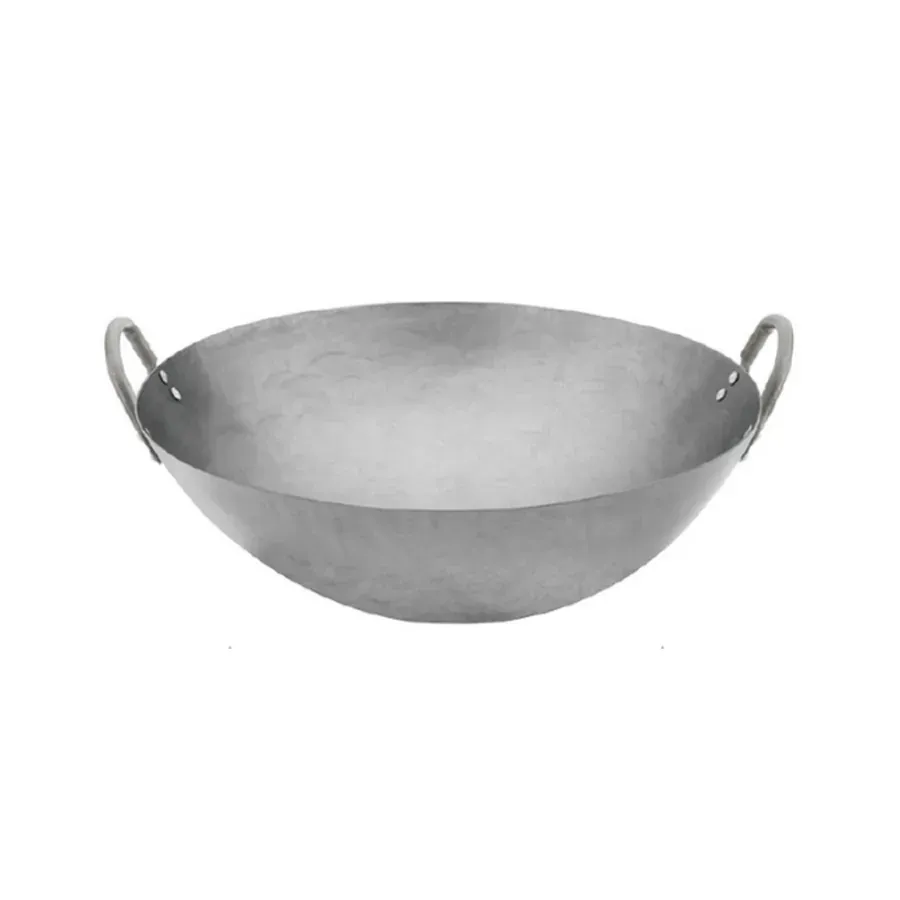
Carbon steel's thin cross-section is a design lever: our YH-CSW-101 handmade double-handle wok comes in 12–26 inches and 1.0–1.8 mm thicknesses, so a distributor can stock lighter everyday pieces alongside heavier ones. Our wok thickness guide covers that trade-off.
Seasoning and First-Use Experience
Both materials are iron-based and both need seasoning — a polymerized oil layer that prevents rust and builds release. The difference is speed: carbon steel generally reaches a workable patina sooner, because its lighter weight makes seasoning's heating and agitation easier and its smoother surface takes oil more evenly.
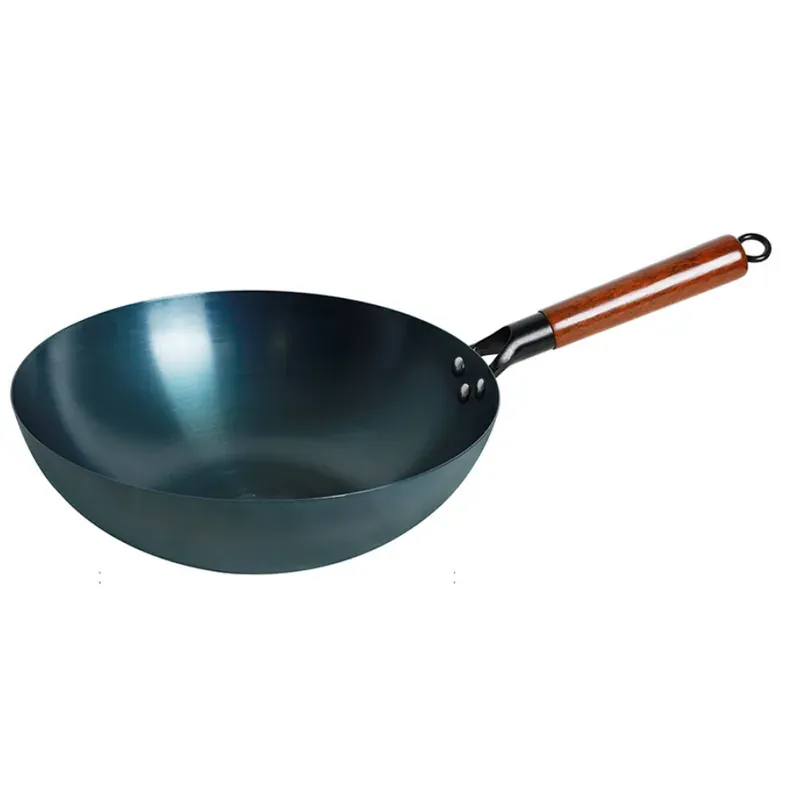
Factory pre-seasoning narrows the gap for both: our YH-CSW-302 — 32, 34 and 36 cm with a wooden handle — arrives with an initial protective layer applied, lowering the barrier for customers who have never seasoned anything. Pre-seasoned reduces first-week friction; natural finish suits buyers who want to build their own patina (see our pre-seasoned vs. natural finish guide).
Breakage and Transit Risk
For an importer, this row may matter more than cooking performance.
Cast iron is strong in compression but brittle: a knock against a counter edge or a drop onto concrete can crack a rim or snap a handle lug. In a container crossing an ocean — stacked and handled by multiple parties — brittleness becomes a claims line item, and the risk generally rises with unit weight, since heavier pans hit harder.
Carbon steel behaves differently: it can dent, but it does not shatter. A dented wok is usually still sellable; a cracked cast iron wok is scrap. For e-commerce sellers the logic compounds, because parcel networks generate more handling events than container freight.
Heat Behavior: Response vs. Retention
Carbon steel's advantage is responsiveness: it reaches cooking temperature quickly and answers burner adjustments just as fast — exactly what high-heat stir-frying demands, since the fast evaporation behind wok hei depends on a pan that does not lag. This is why restaurant kitchens standardize on carbon steel.
Cast iron's advantage is retention: once hot, it holds temperature and recovers steadily when cold ingredients go in — generally excellent for braising, batch deep-frying and open-fire cooking. That thermal mass is a genuine feature.
Which behavior wins depends on the dish. The business question has a clearer answer: volume cooking operations overwhelmingly need response, while retention is a niche strength with passionate followers.
Positioning: Which End Customer Buys Which
Restaurants and commercial kitchens
Professional wok cooking is fast, repetitive and physically demanding, so the default is thin carbon steel, light enough to toss for a full shift. For foodservice distributors it is the volume line, and double-handle YH-CSW-101 covers small stations to large kitchens.
Home enthusiasts and everyday cooks
Serious home cooks converge on the professional choice: carbon steel, ideally pre-seasoned so the first meal is not a first project. YH-CSW-302 fits this shelf — a ready-to-cook wok in the entry-to-mid price tier, where retail demand is broadest.
Gifting, camping and lifestyle channels
Cast iron has real fans here: its heft reads as quality, its retention suits open-fire cooking, and well-finished pieces make strong gifts. It earns its slot in outdoor and gifting channels — just not as your stir-fry workhorse.
The Freight Angle: Why Weight Matters When You Import
Ocean freight is generally priced with weight among its key variables, so per-unit weight dilutes how many sellable units a load can carry; heavier assortments pay more to move each unit, compressing margin or raising shelf prices. Exact rates depend on your lane and forwarder. Transit handling adds a second layer: the heavier and more brittle the cargo, the more one rough handling event costs in replacements. This is why many importers weight the assortment toward carbon steel for volume and treat cast iron as a curated addition where the channel supports it.
Our Carbon Steel Wok Line: Spinning and Stamped Options
We build carbon steel woks on two forming lines — hand spinning and machine stamping — covering both a handmade flagship story and high-volume everyday SKUs.
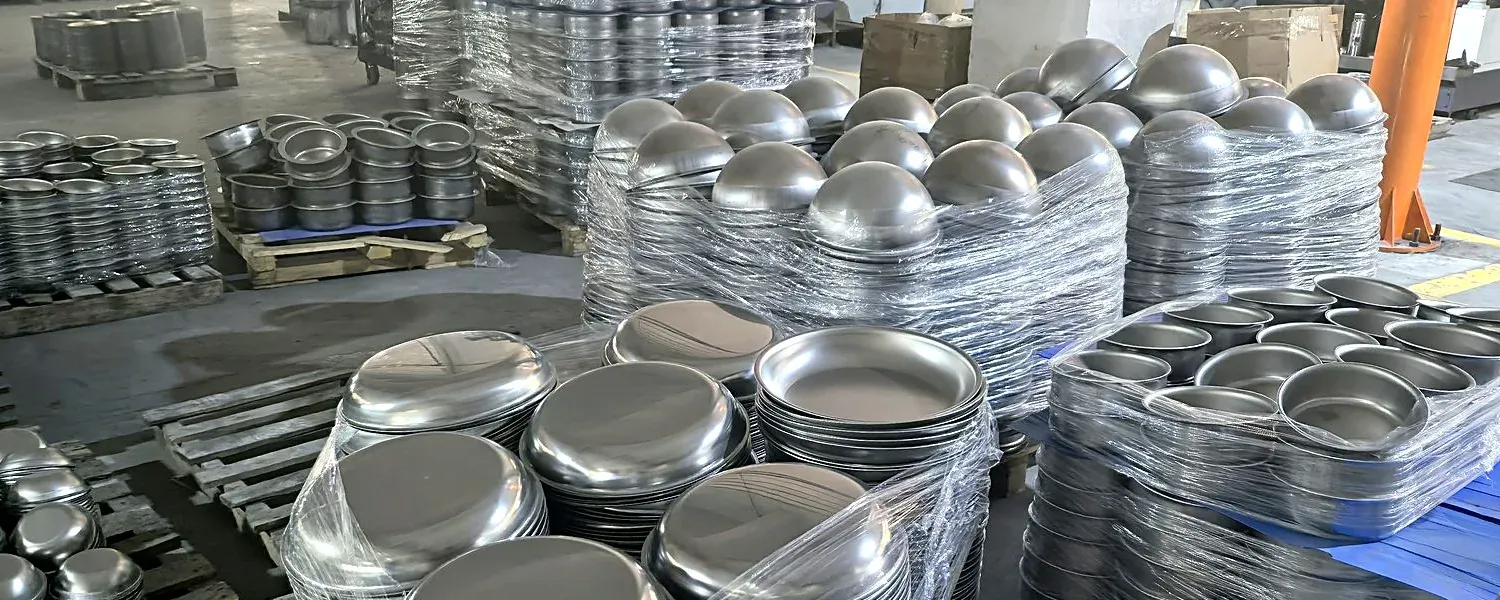
Every piece passes a hand-polishing inspection station where surface finish and welds are checked before packing.
Food-contact compliance is handled as certification support per market and model, subject to test reports. If you are also planning a stainless assortment, our carbon steel vs. stainless steel commercial cookware guide maps which dishes and channels suit each material, while our handmade vs. machine-made comparison explains what each forming route changes.
Frequently asked questions
Is a carbon steel wok or a cast iron wok better for a restaurant?
Generally carbon steel: professional wok cooking depends on fast heat response and long tossing sessions a lighter pan makes sustainable. Cast iron's retention suits braising, so some kitchens keep one piece for those tasks — but as the primary wok, carbon steel is the industry standard.
Do carbon steel and cast iron woks both need to be seasoned?
Yes. Both are iron-based and rely on a polymerized oil layer for rust protection and release. Carbon steel generally reaches a usable patina sooner, and factory pre-seasoned models such as the YH-CSW-302 reduce first-use friction for retail customers.
Which material should an online store stock first?
Usually carbon steel: it ships lighter, tolerates parcel handling, is easier for first-time buyers, and sits in the entry-to-mid tier where demand is broadest. Add cast iron selectively once review data shows real demand from outdoor or enthusiast customers.
Request Our Carbon Steel Wok Catalog
Tell us your channel and market, and we will send the full carbon steel wok line — spun and stamped forming routes, finish options including pre-seasoned, and the complete size range — with stocking suggestions matched to your customer base. Email sales@yihengcookware.com with the subject line "Carbon steel wok catalog – [your market]" and include your channel type (retail, foodservice or e-commerce) for the catalog and a suggested starting assortment.