Sep 30, 2026Buying Guides
Aluminum vs. Carbon Steel Frying Pans: How Foodservice Buyers Split the Two Lines
Compare aluminum and carbon steel frying pans for foodservice: heat response, weight, care, station use, and how B2B buyers can build a mixed-material assortment.
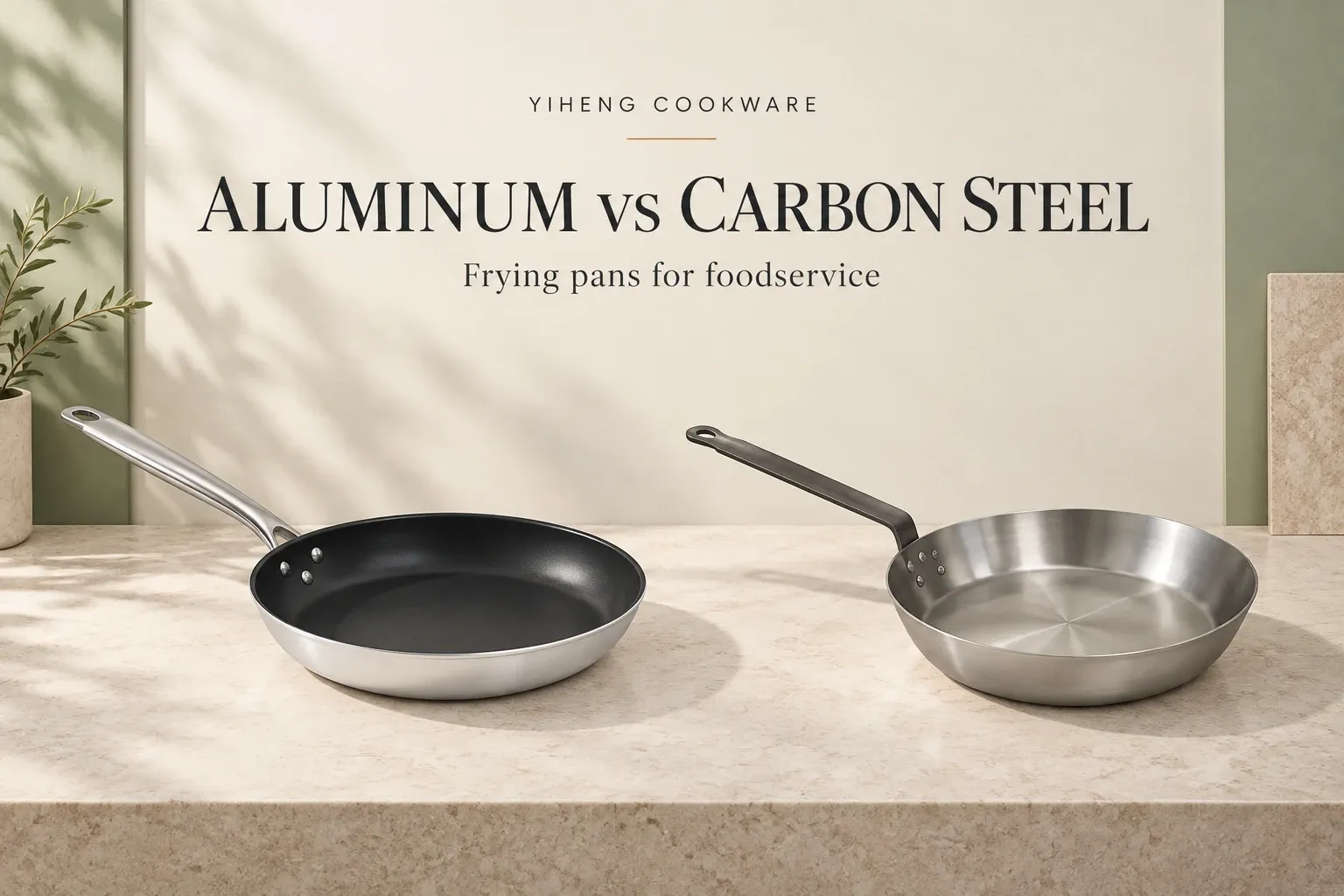
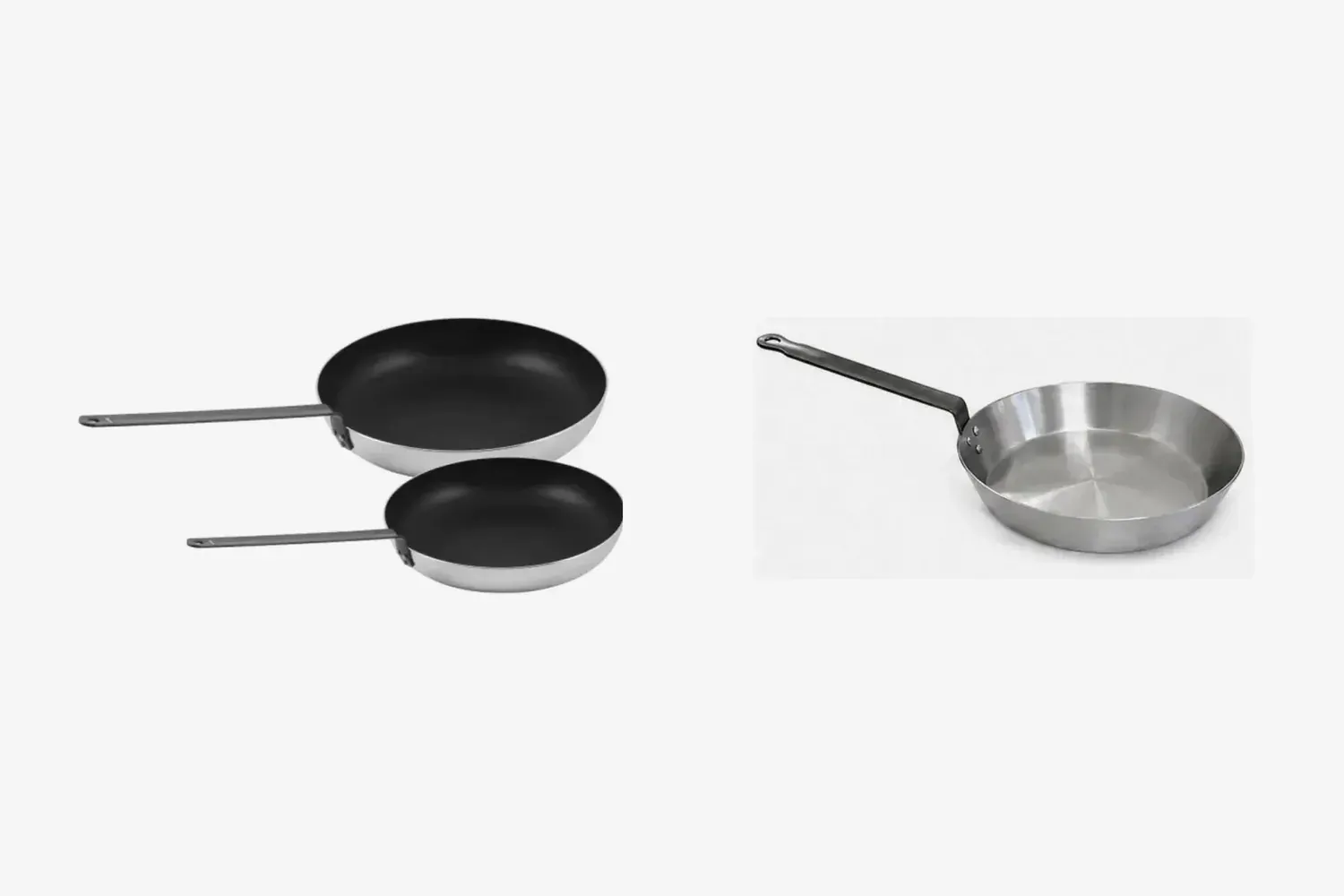
Aluminum and carbon steel frying pans are not competing picks — they are two product lines that divide your customers' cooking stations, and the real procurement decision is how to split every arrival and container between them.
Most "aluminum vs carbon steel" content ends by crowning one winner. For importers, distributors, and chain buyers, that framing does not help: you are defining a category — which stations run aluminum, which run carbon steel, and how many of each land in each shipment.
The one-minute takeaway
This is not an either/or purchase. Aluminum is generally better suited to fast, light, high-turn stations, while carbon steel supports sustained high heat and the seasoning routine that comes with it. The procurement work is allocation: weight each arrival by your buyers' kitchen-line mix, the shelf role each line plays, and the maintenance labor your end users will commit to. YIHENG coordinates both lines through long-term partner production bases, with one buyer-facing workflow for specifications, sampling, quality requirements, packaging, and shipment preparation.
Split the lines by station: who runs aluminum, who runs carbon steel
Fast eggs, crêpes, and sauces: the aluminum line
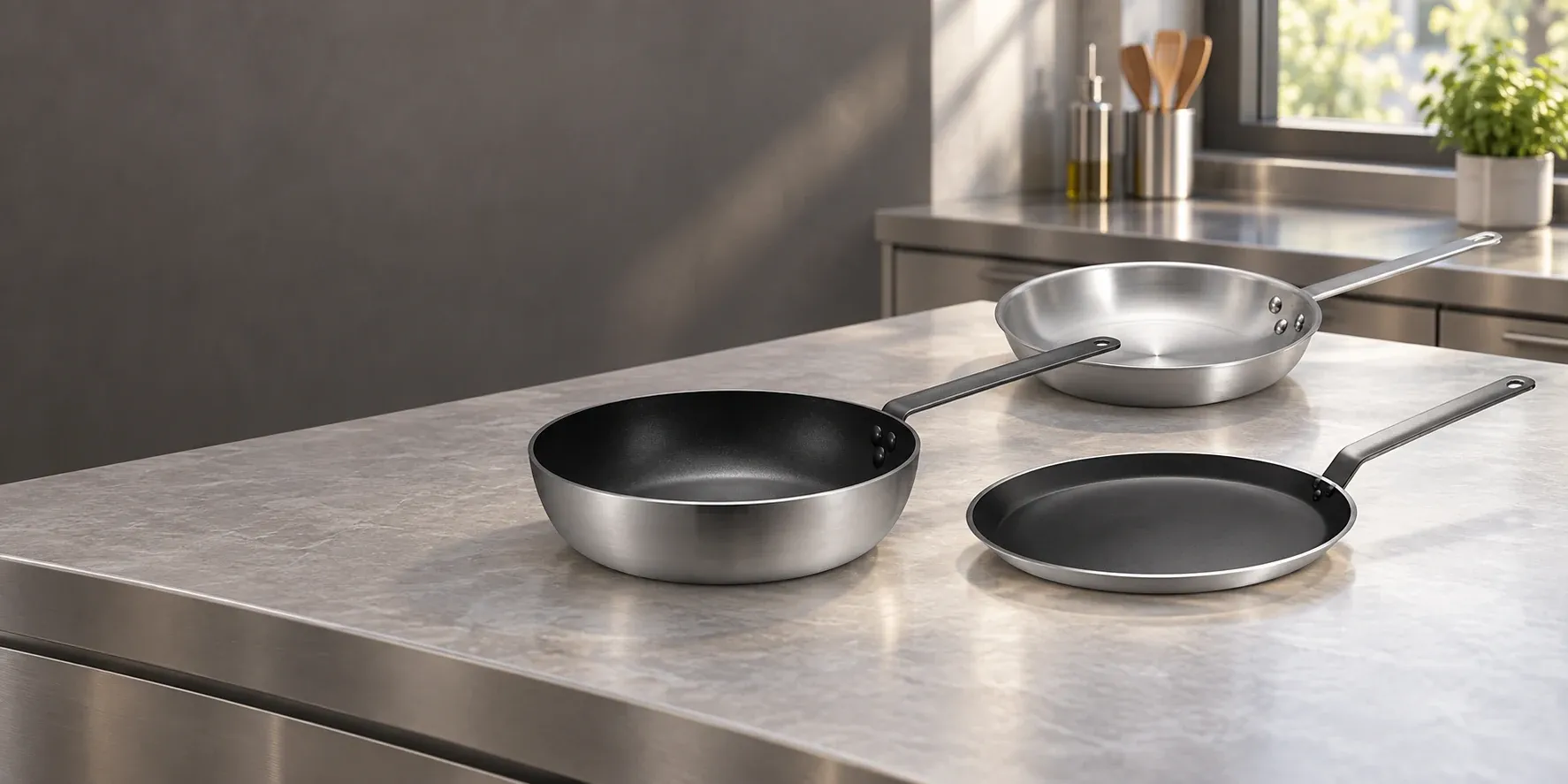
Stations turning out fried eggs, omelets, crêpes, and pan sauces all day value responsiveness and light lifting — aluminum territory. YH-AFP-102 is the volume backbone: commercial aluminum body, long steel handle, 3.5 mm gauge, ten sizes from 180 mm to 400 mm. YH-AFP-101 covers light-duty positions with a crank-style metal handle in seven sizes from 240 mm to 400 mm, in 3.5 mm and 5.0 mm series. For European-market assortments, YH-AFP-104 adds a European-style profile from 120 mm to 400 mm in 3.0, 4.0, and 5.0 mm series.
High-heat searing and long burns: the carbon steel line
Menus built on seared proteins, Maillard-heavy frying, or pans parked on an open flame through service need the metal that generally shrugs off sustained heat. YH-CFP-026, the 26 cm carbon steel fry pan with a 22 cm single iron handle, fits searing and high-heat sauté positions; YH-CFP-030 scales the same construction to 30 cm with a 26.5 cm handle. These natural-finish pans season with use — a fit for steakhouses, bistros, and kitchens already running carbon steel woks.
Where the metals differ once the shift is running
Dimension | Aluminum fry pan line | Carbon steel fry pan line |
|---|---|---|
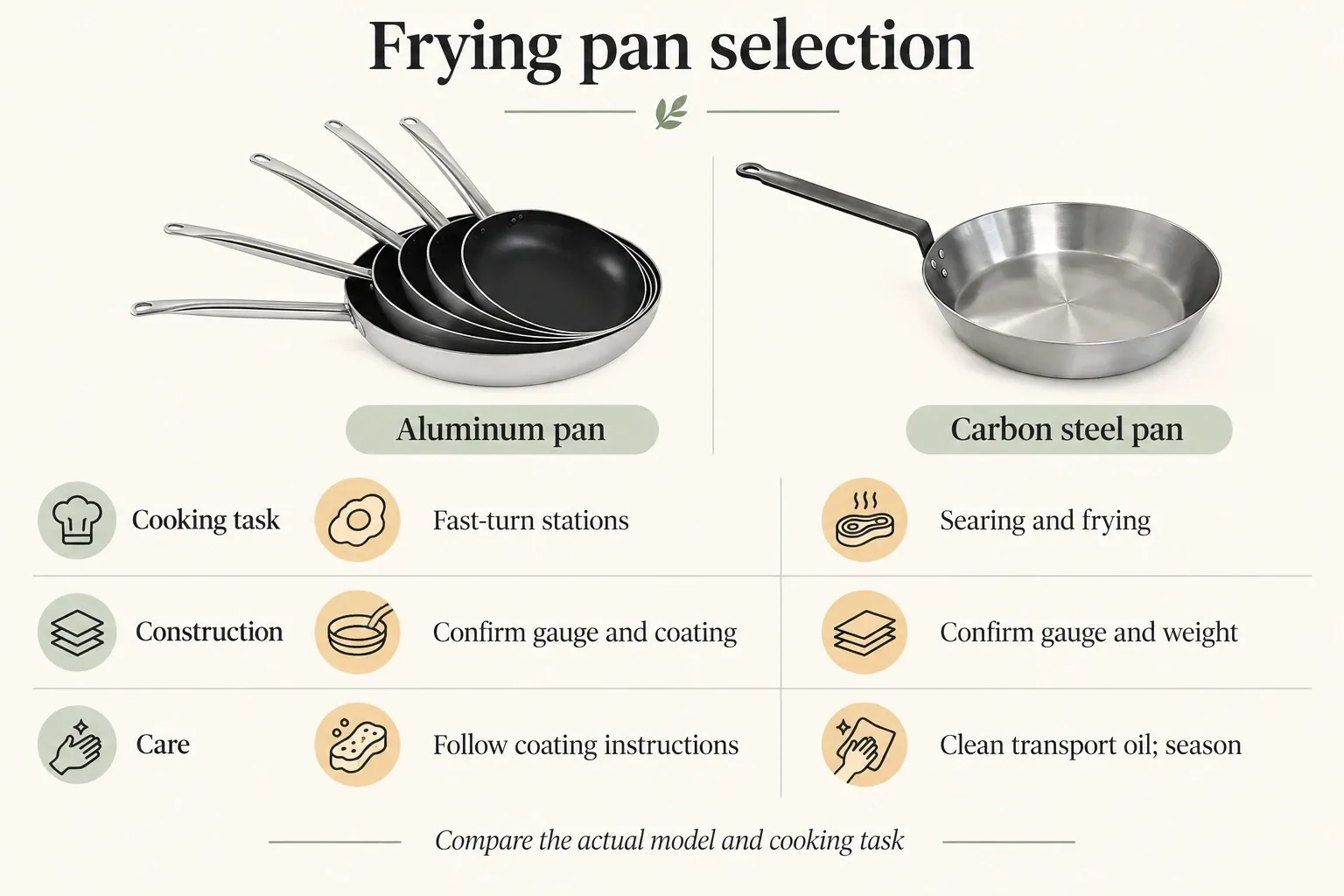
Temperature response | Heats quickly, follows flame adjustments | Heats steadily, generally holds temperature longer |
High-heat behavior | Suited to moderate, fast-turn work | Generally tolerates sustained high heat |
Weight in hand | Generally lighter for comparable diameters | Denser feel; thin 1.6 mm gauge keeps it manageable |
Surface route | Coated or natural-finish versions | Natural finish, seasoned toward a nonstick patina |
Flame response during service
Aluminum is generally the faster responder: it heats quickly and follows flame adjustments closely, which is what fast-turn stations want. Carbon steel generally trades some responsiveness for staying power — a preheated pan recovers better when cold product hits the surface and generally stands up better to long, hot sessions in front of a burner. One kitchen often wants both behaviors at different stations. Our carbon steel fry pans YH-CFP-026 and YH-CFP-030 use a 1.6 mm body that balances heat-up speed against daily-service durability.
Lift count and wrist load
Across a full service a fry pan is lifted hundreds of times, so in-hand weight is an ergonomics decision. Aluminum is generally lighter for comparable diameters, which reduces fatigue at stations that lift constantly. Carbon steel feels denser, but the 1.6 mm body keeps the effort reasonable, and the long single iron handle — 22 cm on YH-CFP-026, 26.5 cm on YH-CFP-030 — keeps hands away from the heat and adds tossing leverage. The same thickness-versus-weight logic applies to fry pans — see our guide on how to choose carbon steel wok thickness.
Surface promises and upkeep
The lines also differ in what you promise the end user. Carbon steel fry pans arrive sand-polished with a rust-proof oil coating that protects them in storage and transit; with first-use seasoning and a light-oil routine the surface generally develops a naturally slick patina — a selling point that carries a maintenance talk track your customers must follow. The aluminum line splits into two surface routes: coated and natural-finish. Coated pans need coating-care instructions — generally no metal scrubbers, no overheating empty — while natural-finish aluminum is more forgiving but may darken with use. Decide which route each channel gets, and match the after-sales script, before fixing the assortment.
For buyers: three variables that set the arrival split
Once both lines are on the menu, decide how many of each to receive per shipment via three variables:
- Kitchen-line mix of your buyer base. Breakfast, café, and sauce-led channels generally pull aluminum harder; grill and high-heat menus pull carbon steel. Map your customers' cuisines first — the split follows.
- Shelf role of each line. Most programs let one line carry volume while the other defines the performance tier; which leads depends on foodservice tender, retail shelf, or private label.
- Maintenance labor cost. Carbon steel's seasoning routine is a feature for engaged end users and a liability where nobody will maintain pans; coated aluminum lowers the skill floor but adds coating-care claims.
There is no universal ratio — the right split differs between a hotel group, a steakhouse chain, and a retail shelf. Send your mix and we will propose a concrete allocation per shipment.
Coordinate both lines through one purchasing workflow
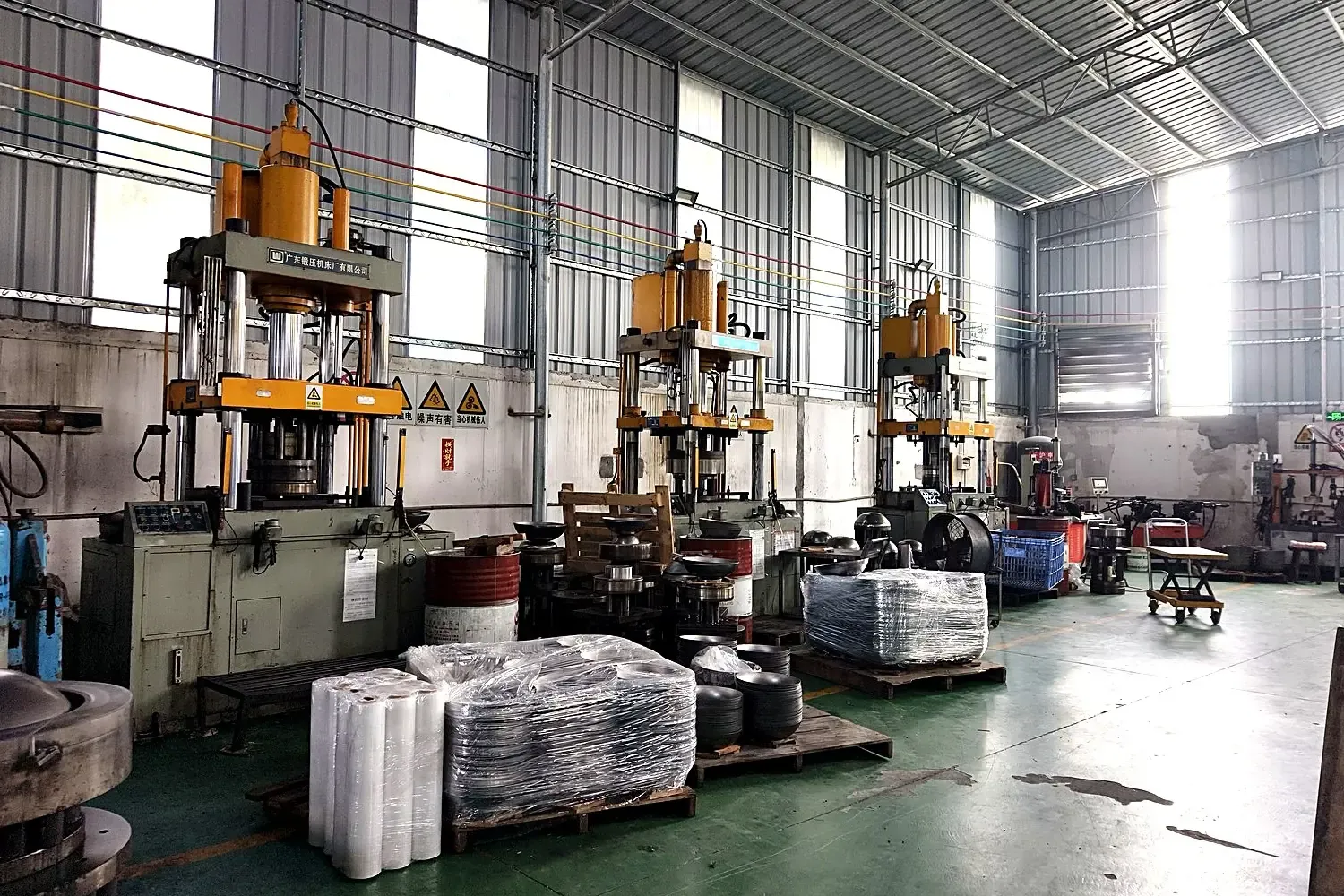
A dual-material program becomes easier to manage when specifications and decisions stay connected. YIHENG coordinates the applicable production route for each selected model across long-term partner bases in Foshan and Jiangmen, then keeps sampling, in-process follow-up, inspection points, packaging details, and shipment preparation in one communication flow. Mixed-container loading can be reviewed for a specific order after models, quantities, carton dimensions, and destination requirements are confirmed.
Food-contact compliance notes
Frying pans are food-contact products, so settle the compliance route before finalizing the assortment: certification support is provided per market and model, subject to test reports for the specific model. Carbon steel pans ship with rust-proof oil for storage and transport — confirm the first-use care copy printed for your market.
Allocation quick-reference table
If your program looks like… | Aluminum line role | Carbon steel line role |
|---|---|---|
All-day breakfast, café, sauce channels | Volume base across the size range | A few searing SKUs for the hot line |
Steakhouse, grill, wok-adjacent menus | Light-station support sizes | Volume base, seasoned in-house |
Mixed retail shelf, entry to pro tiers | Entry tier: coated and natural-finish options | Performance tier with seasoning story |
Private-label program | Volume base with custom packaging | Differentiated chef-tier line |
This is allocation logic, not a quote — turn it into numbers by sending your market and kitchen-line type.
Frequently asked questions
Which line should lead a first fry pan assortment?
Lead with the line matching your buyers' dominant kitchen type. Breakfast- and sauce-led foodservice generally justifies an aluminum-led assortment anchored on YH-AFP-102; grill- and sear-led channels justify a carbon-steel-led program around YH-CFP-030 with YH-CFP-026 alongside. Most distributors carry both with one as the volume base — the first order decides which starts heavier.
Do the carbon steel fry pans arrive ready to cook?
YH-CFP-026 and YH-CFP-030 ship sand-polished with rust-proof oil, not pre-seasoned. The oil protects in storage and transit and is cleaned off before first use; a standard seasoning routine then generally builds a naturally slick surface. If your retail channel needs a no-seasoning story, ask about pre-seasoned options elsewhere in the carbon steel range.
How do I decide the split for my first mixed order?
Work three variables in order: your buyers' kitchen-line mix (breakfast-and-sauce channels pull aluminum; grill-and-sear menus pull carbon steel), the shelf role you want each line to play (one as the volume base, the other as the differentiated performance tier), and the maintenance talk track your channel can support. There is no universal ratio — a hotel group, a steakhouse chain, and a retail shelf justify different allocations. Send your customer map and we will propose a concrete split per shipment.
Request a dual-material fry pan assortment proposal
Stop choosing between aluminum and carbon steel — allocate both.
Email sales@yihengcookware.com to request a dual-material fry pan assortment proposal: include your target market, kitchen-line type, and estimated container volume, and we will return a suggested split across the YH-AFP and YH-CFP lines. You can also request the Fry Pan Material Spec Comparison Sheet in the same email.
Extended reading: for where the stainless steel line fits, see our carbon steel vs. stainless steel commercial cookware comparison.