Wok vs. Fry Pan vs. Sauté Pan: Choosing Pan Shapes for Commercial Kitchens
A wok's curve, a fry pan's flat base, and a sauté pan's tall walls are not three sizes of one tool — they are three geometries that lock in different techniques, and matching shapes to a men
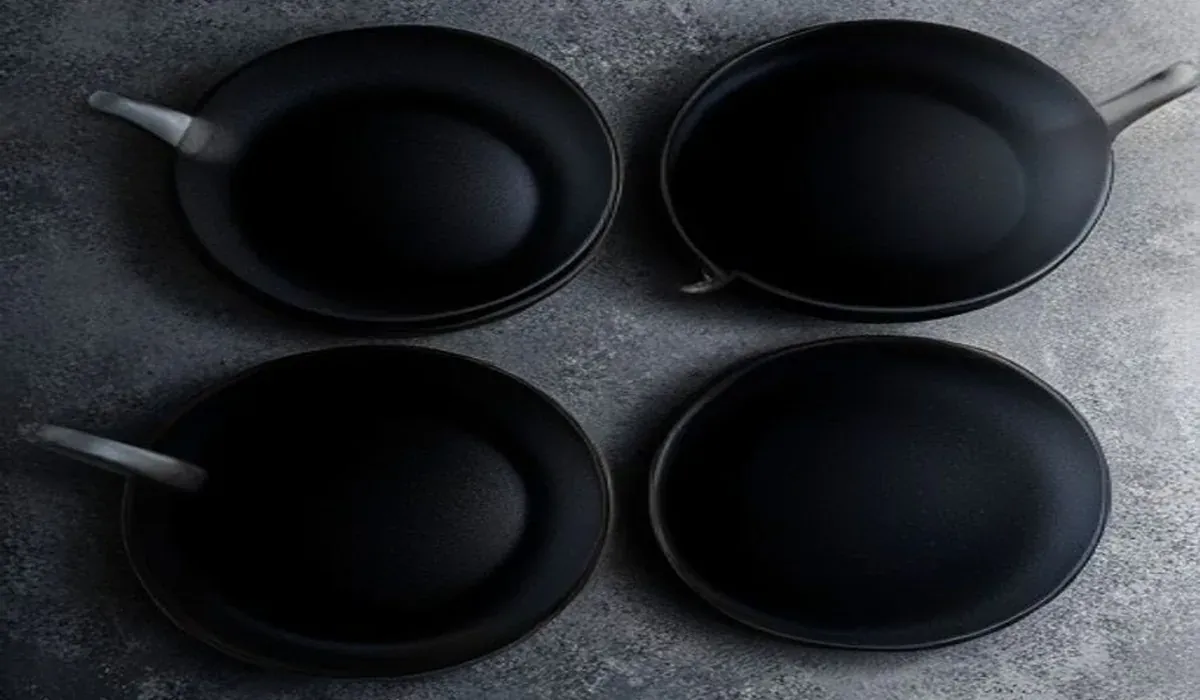
A wok's curve, a fry pan's flat base, and a sauté pan's tall walls are not three sizes of one tool — they are three geometries that lock in different techniques, and matching shapes to a menu is how a distributor covers a commercial kitchen with the right few pans.
Why Geometry Decides the Job Before Diameter Does
## Why Geometry Decides the Job Before Diameter Does
Two pans with the same rim diameter are rarely interchangeable. Three variables decide what a pan can do on the line:
- Wall angle. A wok curves from base to rim; a fry pan blends a flat base into a gentle flare; a sauté-style pan runs its walls nearly straight up. That angle decides whether food is tossed, turned with a spatula, or stirred through liquid.
- Hot-zone concentration. A curved wok gathers heat into a small eye at the center and shades the upper wall; a flat base spreads heat evenly; tall walls hold heat and steam above the food.
- Surface versus volume. A fry pan maximizes reachable surface; a sauté-style pan maximizes capacity over the same base; a wok splits the difference with a temperature gradient up its wall.
The Wok: A Curved Heat Engine Built for Tossing
## The Wok: A Curved Heat Engine Built for Tossing
The wok's bowl does two jobs at once. It concentrates the burner's output into a small, intensely hot "eye" at the base, while the curving wall forms a temperature ladder: ingredients sear in the eye, finished pieces rest higher up where the wall runs cooler, and one ladle push sends everything back to the center. The deep bowl keeps the toss inside the pan — ingredients flip through the hot zone instead of over a rim, making stir-frying a continuous motion rather than a flip-and-return technique.
That curve is why woks are spin-formed: the process yields a seamless profile with fast thermal response, and carbon steel takes a seasoning that improves in service. A useful reference is the pre-seasoned carbon steel wok YH-CSW-302, in 32, 34 and 36 cm diameters, 1.0 mm or 1.2 mm carbon steel, with a wooden handle — factory pre-seasoning gives a kitchen a workable surface from day one.
Round-bottom bowl on a dedicated burner or flat-bottom version on a standard range is an equipment question our wok-to-stove matching guide covers, and the carbon steel wok size guide handles diameter and thickness. What matters here is the shape: one hot zone, a graduated wall, a toss no flat pan can copy.
The Fry Pan: A Flat Base for Searing and Controlled Flips
## The Fry Pan: A Flat Base for Searing and Controlled Flips
A fry pan trades the wok's momentum for control. Its flat base sits fully on the burner, browning every square centimeter evenly — the prerequisite for searing steaks, cutlets, or fish. The flared wall then serves two quieter purposes: it lets steam escape instead of condensing onto the crust, and gives a spatula a shallow entry angle so food can be lifted, turned, and pressed with one hand.
Shallow walls also define the limit: at around 5 cm deep, a fry pan is a surface tool, not a volume tool. The 1.6 mm carbon steel of the 26 cm fry pan YH-CFP-026 and the 30 cm fry pan YH-CFP-030 — each 5 cm deep, with a long iron handle and a sand-polished finish shipped in rust-proof oil — helps the base stay flat under thermal load; a warped base is no longer even cooking surface.
Where the wok cooks a dish in one motion, the fry pan cooks in stages: sear, flip, deglaze, finish — the geometry à la carte stations are built around. The full 14–36 cm diameter ladder is mapped in our carbon steel fry pan sizes guide; and more diameter at the same wall height buys surface, not volume.
The Sauté Pan: Tall Walls for Volume, Tossing, and Reduction
## The Sauté Pan: Tall Walls for Volume, Tossing, and Reduction
Between the two, near-vertical sides raise capacity without enlarging the base, so the pan holds a real volume of sauce or braising liquid while still sitting fully on the burner. Tall walls also change tossing and sauce physics: a toss comes back into the pan instead of onto the range, splashing liquid returns to the vessel, and evaporation can be controlled with a lid — one reason line cooks reduce and glaze in tall-sided pans instead of skillets.
Catalogs blur the naming — sloped and straight-sided pans are both sold as "sauté" — so quote by technique: walls tall enough to toss against and to hold liquid define the category. The reference form is the commercial stainless steel saucepan YH-SSA-105, which pairs a 6.0 mm aluminum base — spreading heat evenly under a taller stainless body — with a long metal handle sized for line work. Diameters run from 140 mm to 280 mm with capacities from 0.9 to 8.0 L, so one geometry scales from a single sauce portion to batch prep. Where tall straight-sided vessels cross into stock work, that comparison lives in our sauce pot versus stock pot guide.
Matching Shapes to the Line: One Station, Several Pans
## Matching Shapes to the Line: One Station, Several Pans
Few commercial kitchens run on a single shape; most stations are a deliberate mix:
| Station / menu | Core pan | Why this geometry | Supporting pan |
|---|---|---|---|
| Asian stir-fry line | 32–36 cm carbon steel wok | Curved hot zone plus continuous tossing | Flat-bottom wok when the range is standard rather than wok-specific |
| Western à la carte | 26 cm and 30 cm fry pans | Even flat-base searing, one-hand spatula flips | One 200–240 mm saucepan for sauces and glazes |
| Mixed or banquet kitchen | One wok, two fry pans, one saucepan | Covers tossing, searing, and volume at one station | Ladles and skimmers matched to the wok's curve |
For a distributor, "which pans should I stock?" is really "which techniques does my customer sell?" Three questions sort it:
- What is cooked most — tossed, flipped, or simmered? That maps directly to wok, fry pan, or sauté-style pan.
- What burners are installed? Curved woks need round-bottom support; flat-bottom woks, fry pans, and saucepans need a flat burner surface.
- How many pans can one station manage? Three shapes cover the techniques; extra diameters only refine them.
Stocking one shape in many sizes duplicates a capability; three shapes cover a menu — the argument that sells a pan program, and the reason buyers open with one SKU per geometry, then widen diameters as channels develop.
Frequently asked questions
## Frequently asked questions
Can a fry pan do a sauté pan's job, or the other way around?
### Can a fry pan do a sauté pan's job, or the other way around?
Only partially, and in one direction. A tall-sided pan can sear on its flat base, then hold liquid for a sauce — covering the fry pan's techniques at the cost of access and fast evaporation. A shallow fry pan cannot hold enough liquid to reduce or braise. If a kitchen buys only one, the menu decides: dry, surface-cooked items point to the fry pan; anything sauced points to tall walls.
Is a wok practical on a standard commercial range?
### Is a wok practical on a standard commercial range?
It depends on the base. A round-bottom wok sits in a ring or a dedicated wok well, where the burner reaches into the bowl; on a flat grate it rocks and loses the concentrated hot zone that defines the geometry. A flat-bottom wok keeps the deep curved wall while resting securely on standard burners, trading some heat concentration for stability. Matching base to burner is the first check in any wok sale.
Which pan shape should a new distributor lead with?
### Which pan shape should a new distributor lead with?
Lead with the shape matching the channel's dominant cuisine, then close coverage with the other two. A stir-fry-heavy channel opens with a carbon steel wok program, with ladles and turners matched to the curve; a Western restaurant channel opens with fry pans plus a saucepan for the sauce station. Because the three geometries barely overlap, one diameter of each is a broader offer than five diameters of one.
Build a Shape-Covered Program with YIHENG Cookware
## Build a Shape-Covered Program with YIHENG Cookware
YIHENG produces spun woks and stamped pan bodies on dual production lines in Foshan, Guangdong, with hand-polished QC stations and its own finished-goods warehouse behind them. OEM/ODM support runs from drawing confirmation to shipment, with certification support per market and model, subject to test reports. Tell us which shapes your channels need and we will propose a geometry-covered assortment — send your requirements to our sales team.